
WHY SOME MEDIA REPORTS OF KATE SPADE’S SUICIDE WERE IRRESPONSIBLE
On June 5th, 2018, fashion designer, Kate Spade, allegedly took her own life.
The media covered her death, as we should. It’s important that we talk about suicide. However, HOW we talk about suicide matters too.
Using the word “suicide” can help lessen the stigma around suicide. Talking about the very real, and complex struggles a person who suicides was likely living with can also help increase awareness and understanding around suicide and needed supports for prevention. But, when it comes to discussing methods, how the person ended their life, we need to stop. Why?
For those who are thinking about suicide one of the things that may be guarding them against suicide is that they may not have figured out how they would end their life. Reporting methods removes this life-guard, and increases a person’s risk of suicide.
When Kate Spade allegedly suicided not only did some media outlets report the method in their articles; some went as far as to advertise the method right in their headline. This is incredibly irresponsible, and potentially dangerous journalism.
HOW SHOULD MEDIA REPORT ON SUICIDE, MENTAL ILLNESS, AND MENTAL HEALTH?
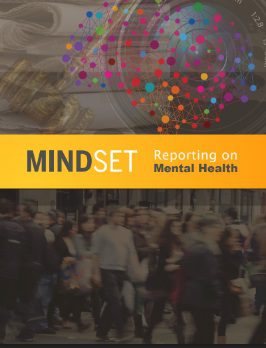
Mindset is a site for journalists created by journalists. Supported by CBC News, and partially funded by the Mental Health Commission of Canada, the Mindset: Reporting on Mental Health media guideline talks about how to best report on mental health issues in a way that is not only responsible, but reduces stigma towards those living with a mental health issue. Its contents were developed by The Canadian Journalism Forum on Violence and Trauma.
Chapter 6 discusses the do’s and don’ts of reporting on suicide. The last “don’t” on page 31 is “Don’t go into details about the method used“.
Below, Canadian journalist, Linden MacIntyre explains the purpose of Mindset, and how it can support journalists in knowing how to report on mental illness and mental health issues responsibly.
Kate Spade’s suicide is gut-wrenching. As are all suicides of high profile personalities, as well as those we hold dear in our personal lives. By talking responsibly about these suicides we can do a lot to help those who are struggling with their own thoughts of suicide know that it’s okay for them to reach out. It’s okay for them to seek support. There are safe places and people who they can talk to about their thoughts of suicide. Help is available.
HOW TO GET HELP IF YOU’RE THINKING OF SUICIDE
If you’re thinking of suicide please click here to visit our safety planning idea page. Or, click here to access our free downloadable crisis support resource sheets. Know your options. Talk to someone. Take time to take reprieve from the pain you’re experiencing, and to process the loss you feel. Our safety planning guide includes a long list of selfcare practices. Many are free and don’t need to take a lot of time or money. Suicide does not happen without impacting many people. If you’re at risk right now it’s important that you take steps to keep yourself safe. If you feel you can’t do that for yourself right now call your local Emergency Services team (such as 9-1-1 in Canada,) or go to your nearest emergency room. You’re life matters.
IF YOU ARE A JOURNALIST, BLOGGER, OR MEDIA OUTLET
If you are a journalist, blogger, or work for a media outlet please click here to visit the Mindset website, and download the free PDF guideline for reporting on mental health. Please use it, or share it with your media team. Together we can learn how to report responsibly. And, reduce stigma around suicide so those who need help staying alive right now can find it.